
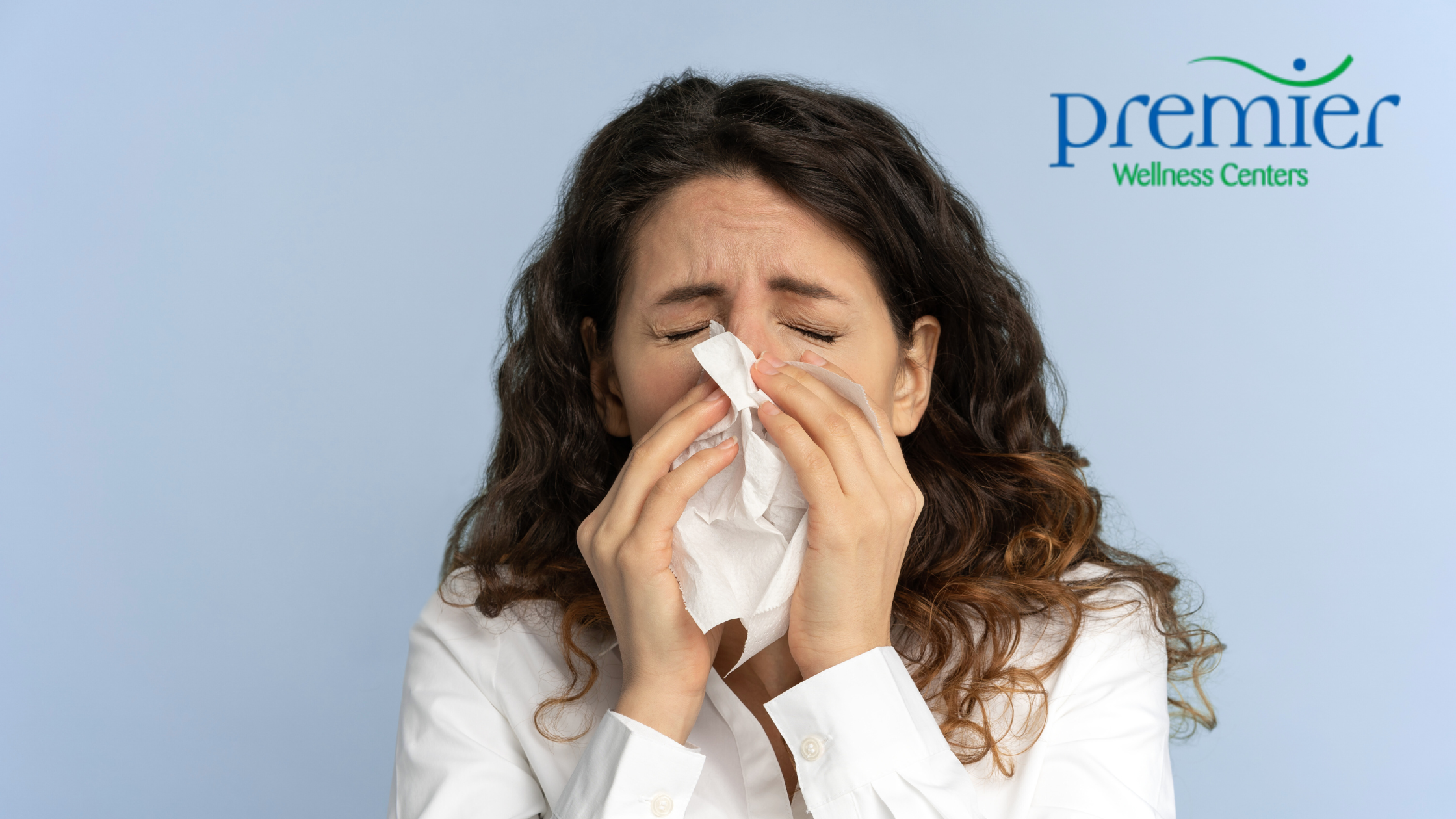
Spring in Florida brings blooming flowers, warmer weather, and—for many people—relentless sneezing, itchy eyes, and sinus pressure. The typical approach is to mask symptoms with antihistamines and wait for pollen season to pass.
But there’s a more complete picture to understand. Seasonal allergies aren’t just about pollen exposure—they’re about your immune system’s inflammatory response. And that response is heavily influenced by factors you can actually modify.
What’s Happening During an Allergic Reaction
When you’re exposed to allergens like pollen, mold, or dust, your immune system identifies them as threats (even though they’re harmless to most people). In response, your body releases histamine and other inflammatory chemicals to “defend” against the perceived attack.
This creates the classic allergy symptoms:
- Sneezing and runny nose
- Itchy, watery eyes
- Nasal congestion and sinus pressure
- Scratchy throat and cough
- Fatigue and brain fog
- Headaches
The problem isn’t just the allergen itself—it’s that your immune system is overreacting to a benign substance. And when your body is already dealing with chronic inflammation from other sources, your allergic response intensifies.
The Inflammation Amplification Effect
Think of your immune system like a smoke alarm. When functioning properly, it alerts you to real danger with appropriate intensity. But when chronic inflammation is present, it’s like having a hypersensitive alarm that goes off at the slightest trigger—even when there’s no actual threat.
Several factors contribute to this inflammatory baseline that makes allergies worse:
Gut Health
Approximately 70% of your immune system resides in your digestive tract. When gut health is compromised—through poor diet, food sensitivities, antibiotic use, or chronic stress—your immune system becomes dysregulated.
An imbalanced gut microbiome can trigger systemic inflammation and make your immune system hyperreactive. This is why addressing digestive health often reduces allergy severity, even though the gut and respiratory system seem unrelated.
Chronic Stress
Sustained stress elevates cortisol and keeps your immune system in a state of heightened alert. This makes you more susceptible to allergen triggers and worsens symptoms when reactions occur.
Stress doesn’t just make you feel anxious—it creates measurable changes in immune function.
Sleep Deprivation
Sleep is when your body repairs damage and regulates immune responses. Without adequate rest, your immune system becomes dysregulated, making allergic reactions more severe and recovery slower.
Even mild sleep restriction (6-7 hours instead of 8-9) measurably impairs immune function.
Nutritional Deficiencies
Certain nutrients help regulate immune function and histamine response: vitamin D, vitamin C, quercetin, magnesium, omega-3 fatty acids. When you’re deficient in these, your body can’t properly modulate inflammatory responses.
Most people operate with subclinical deficiencies that don’t cause obvious disease but do impair optimal function.
Nervous System Function
Your nervous system coordinates immune responses. When nerve communication is disrupted—through spinal misalignment, chronic pain, or other mechanical issues—your immune system may not function optimally.
This can manifest as heightened sensitivity to allergens and difficulty resolving inflammatory responses once triggered.
The important takeaway: by addressing these underlying factors, you can reduce your body’s baseline inflammatory state and experience fewer, milder allergy symptoms.
Natural Approaches to Immune Support
Support Gut Health
A balanced gut microbiome supports balanced immune function.
Probiotic-rich foods: Yogurt, kefir, sauerkraut, kimchi, other fermented foods help maintain healthy gut bacteria.
Prebiotic fiber: Vegetables, fruits, and whole grains feed beneficial bacteria.
Identify trigger foods: Some people find that eliminating common irritants (dairy, gluten, processed sugar) during allergy season reduces symptom severity. This isn’t necessary for everyone, but it’s worth experimenting if you suspect food sensitivities.
Anti-inflammatory nutrition approaches can be particularly effective for managing systemic inflammation.
Reduce Inflammatory Foods
What you eat directly impacts immune reactivity. During high-pollen seasons, minimize foods that promote inflammation:
- Processed and fried foods
- Added sugars
- Refined carbohydrates
- Alcohol
- Dairy (increases mucus production in some people)
Focus instead on whole, nutrient-dense foods that support your body’s regulatory systems.
Stay Hydrated
Water helps flush allergens from your system and keeps mucous membranes moist, reducing irritation. Aim for 8-10 glasses daily.
Herbal teas—nettle, ginger, peppermint—provide additional anti-inflammatory and decongestant benefits.
Boost Key Nutrients
Certain vitamins and minerals naturally modulate allergy responses:
Vitamin C: Acts as a natural antihistamine and supports immune balance. Found in citrus, berries, peppers, leafy greens.
Vitamin D: Regulates immune function and reduces inappropriate inflammatory responses. Many people are deficient, especially those who avoid sun exposure.
Quercetin: A plant compound that stabilizes histamine release. Found in onions, apples, berries, and green tea.
Omega-3 fatty acids: Powerful anti-inflammatory compounds found in fatty fish, flaxseeds, and walnuts.
Magnesium: Helps relax airways and reduce inflammation. Found in leafy greens, nuts, seeds, and whole grains.
Whole food sources are preferable, but targeted supplementation can be helpful when deficiencies exist.
Support Lymphatic Flow
Your lymphatic system clears waste products and allergens from your body. Supporting lymphatic drainage helps remove irritants more efficiently:
- Regular movement (walking, yoga, rebounding)
- Manual therapy focused on lymphatic drainage
- Dry brushing (gentle skin brushing toward the heart)
- Deep breathing (helps pump lymphatic fluid)
Manage Stress Effectively
Chronic stress amplifies allergic reactions through multiple pathways. Incorporating regular stress-reduction practices makes a measurable difference:
- Meditation or mindfulness practice
- Deep breathing exercises
- Gentle movement (yoga, stretching, walking)
- Time in nature (when pollen counts are lower—early morning or after rain)
- Adequate sleep (7-9 hours nightly)
Optimize Nervous System Function
When spinal alignment is optimal and nerve communication is clear, your immune system can regulate more effectively.
Misalignments that interfere with nerve signals—particularly in the upper cervical and thoracic spine—can affect sinus drainage, immune regulation, and inflammatory responses. Correcting these mechanical issues often reduces allergy severity without medications.
Many people notice significant reduction in allergy symptoms with regular maintenance of spinal alignment, even though the connection isn’t immediately obvious.
Minimize Allergen Exposure
While you can’t avoid pollen completely, you can reduce your exposure:
- Check pollen counts and limit outdoor time when levels are high
- Shower after being outside to remove pollen from skin and hair
- Keep windows closed; use air conditioning with HEPA filters
- Wash bedding regularly (allergens accumulate in sheets and pillowcases)
- Use a neti pot or saline rinse to flush allergens from nasal passages
- Remove shoes at the door to prevent tracking pollen inside
When Symptoms Warrant Deeper Evaluation
Mild seasonal allergies are common. Certain patterns suggest more significant immune dysregulation that would benefit from systematic assessment:
- Severe symptoms that significantly impair function
- Year-round symptoms (not just seasonal)
- Symptoms that don’t respond to typical interventions
- Multiple unexplained symptoms affecting different body systems
- New allergies developing in adulthood
- Progressively worsening reactions over time
These patterns often indicate underlying immune dysfunction, chronic inflammation, gut imbalances, or nervous system issues that require more comprehensive evaluation to identify and address.
When allergies seem disproportionate to pollen exposure, or when standard approaches provide minimal relief, there are usually factors that haven’t been properly assessed. Identifying what those are—whether gut dysfunction, nervous system issues, nutritional deficiencies, or chronic inflammatory triggers—allows for more targeted intervention.
If you’re dealing with severe or persistent allergy symptoms that aren’t adequately controlled by standard approaches, systematic evaluation of immune function, inflammatory status, and contributing factors can provide clarity on what’s actually driving your reactivity.
STAY CONNECTED WITH PWC!
Subscribe to receive exclusive discounts, deals, & specials from Premier Wellness Centers!

Chiropractor, Physical Therapy, & More: a Comprehensive Guide
When it comes to healthcare, traditional medicine is not the only option available. Chiropractors, physical therapy, and other alternative treatments can be effective in addressing various health concerns. In this comprehensive guide, we will explore these options and provide insights into their benefits, differences, and how they can help you achieve optimal wellness. Chiropractors: Chiropractors…

Premier Wellness Centers Chiropractic Adjustment Care, Treatment & Benefits
Premier Wellness Centers is a well-known healthcare facility that offers a wide range of services, including chiropractic adjustment care, treatment, and benefits. Chiropractic care is a non-invasive, drug-free approach to healthcare that focuses on the diagnosis, treatment, and prevention of mechanical disorders of the musculoskeletal system, especially the spine. If you suffer from chronic pain,…

How Dr. Bill Jensen, D.C. Helps Countless Injured Individuals Through the Practice of Chiropractic in Port Saint Lucie FL
Injuries can have a severe impact on an individual’s daily life, limiting their mobility and causing them excruciating pain. Finding the right healthcare professional to help you recover from these injuries can be challenging, but with Dr. Bill Jensen, D.C., injured individuals in Port Saint Lucie, FL, have a reliable and experienced chiropractor to turn…

Why Primer Wellness Center is the Best Chiropractic Center in Port Saint Lucie FL
Chiropractic care is an important aspect of wellness for many people. The right chiropractic center can make a huge difference in your overall health and well-being. If you are looking for the best chiropractic center in Port Saint Lucie FL, look no further than Primer Wellness Center. In this article, we will explore the reasons…
Should You Take Wellness Advice From TikTok Influencers?
TikTok influencers are everywhere on the popular app touting wellness advice. Take caution with everything you hear and see.