

Many people want to know what they can do to make their physical therapy sessions more productive, or improve the outcome of their treatment. It’s important to remember that physical therapy is usually done in conjunction with other treatments, and different patients begin in different places. This is why we use measurement tests to determine your current abilities, and how best to help you. We recommend you talk with your physical therapist about what improvements you can realistically expect to make, and in what time frame.
However, there some things you can do to help improve your outcome from physical therapy, as well as other treatments. Here are four tips to improve the outcome of your physical therapy treatments:
Set and Work Toward Realistic Goals
Most people do better when they set SMART goals. These are goals that are defined as being “Specific, Measurable, Achievable, Realistic, and Time-Bound”. The SMART goal model is often used for business goals or time efficiency. However, it works well for people doing physical therapy, as well.
Your goals should depend on your current issues and what you’re hoping to achieve with treatment. For one person, a good SMART goal might be to stand up from a chair unassisted within the next month. For another person, it might be walking across the room without assistance. Your physical therapist can guide you on how long these goals might take, and an ideal time frame for completing them.
Do Your Physical Therapy “Homework”
While your physical therapist will work with you during your scheduled sessions and may provide assistance like helping you stretch or guiding you through the exercises, they will also usually recommend you continue to do some exercises at home on days you don’t have a session.
They will provide you with clear instructions, and do the at-home exercises with you a few times, to make sure you understand what you’re supposed to do. If you have any questions, your physical therapist will answer them for you before you leave.
Sometimes, patients don’t feel very motivated to continue working at home. We understand that. These exercises can be difficult at first, and you may feel as if you aren’t making very much progress. Sometimes it takes a few weeks to see any noticeable results. You might feel sore and stiff and just want to relax.
While it’s okay to take a day off and rest occasionally, you should do your prescribed exercises most days. This helps you stay on track and build progress—even if you don’t see any yet. Patients who regularly do their at-home exercises usually have better results and improve faster than those who don’t. Long-term, they also have less pain because they are continuing to stretch their muscles in the at-home sessions.
Keep Track of Challenges and Communicate With Your Physical Therapist
One common reason patients report for not keeping up with homework is that it’s too painful. It is normal to experience some pain and stiffness when you start physical therapy, begin a new exercise, or have a particularly difficult session. Often the goal of physical therapy is to stretch and strengthen muscles you may not have been able to use very much due to an injury or illness. It’s like starting a new workout regime—when you work muscles that haven’t been getting a lot of use, you may be sore for a few days.
However, if you’re continually struggling to do exercises because your pain gets in the way, and it doesn’t improve as you keep going, talk to your physical therapist. They may want to do some tests to determine what’s causing the problem. In some cases, they may be able to try a different exercise or work on another muscle group first. They may also be able to prescribe other treatments to help reduce your pain and inflammation, such as massage therapy or acupuncture. The sooner your speak up, the sooner they can help address your pain so you can focus on your exercises.
Remember the Mind-Body Connection
Physical pain isn’t the only reason patients sometimes lose motivation to continue doing at-home work. Mental health may also play a role, and it can be easy to get discouraged when doing physical therapy. Sometimes patients feel they aren’t getting anywhere, especially if they are trying to relearn tasks they used to do without effort. This can be frustrating and stressful, and dealing with physical limitations can cause anxiety or a depressed mood in some people.
Fortunately, we also offer treatments to reduce stress and help you feel more relaxed, such as NuCalm or JOOVV red light therapy. If your physical injury or illness has taken a toll on your mental state or mood, don’t hesitate to tell your physical therapist or another member of your care team. They can offer you options to improve your mood, so you can focus on your physical therapy again.
STAY CONNECTED WITH PWC!
Subscribe to receive exclusive discounts, deals, & specials from Premier Wellness Centers!

Winter Joint Pain: Why Cold Weather Affects Your Body (And What to Do About It)
You’ve probably heard someone say, “I can feel the weather changing in my joints” — and maybe you’ve said it yourself. Even here in sunny Florida, where winter means cooler mornings and occasional cold fronts, many people notice increased stiffness, achiness, or discomfort when temperatures drop. But is this just an old wives’ tale, or…

New Year, New You: Setting Realistic Wellness Goals That Actually Stick
Every January, millions of people set ambitious health goals — lose 30 pounds, work out every day, cut out sugar completely — only to feel defeated by February. Sound familiar? At Premier Wellness Centers, we see this cycle all the time. But here’s the truth: it’s not a lack of willpower holding you back. It’s…
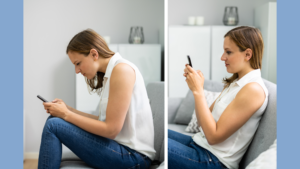
Protect Your Spine in the Digital Age with Premier Wellness Centers
Discover how Premier Wellness Centers on the Treasure Coast helps you combat tech neck with advanced chiropractic care, personalized treatment plans, and ergonomic coaching to improve posture, reduce pain, and enhance wellness in today’s digital age.

Your End-of-Year Wellness Check: 5 Signs It’s Time to Reset Your Health Plan
Why Year-End Reflection Matters for Your Health The end of the year isn’t just a time to look back on accomplishments at work or at home — it’s a chance to check in with your body. Are you feeling more fatigued, achy, or off-balance than usual? Chronic pain, low energy, or disrupted sleep are often…

Gut Health & Gratitude: Supporting Digestion During the Holiday Season
Why Your Gut Health Matters More Than Ever During the Holidays We all look forward to spending time with family around the dinner table during the holiday season — but if you’re feeling bloated, sluggish, or off-balance afterward, your gut might be trying to tell you something. At Premier Wellness Centers, we look beyond short-term…