
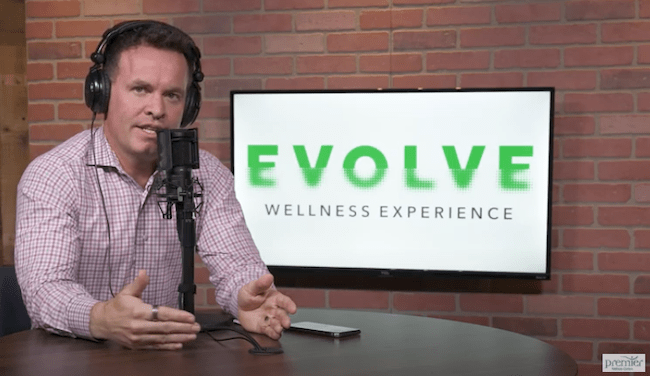
This blog post accompanies the Evolve Wellness Experience Podcast Episode #9.
Lots of people are interested in living longer, healthier lives. Sometimes patients ask me if there are any supplements or other products they can take to increase the likelihood of living longer and with better health and mobility. I always tell them that the best thing they can do is pay attention to the research that’s already been done on “Blue Zones.”
What Are “Blue Zones”?
These are areas of the world where it’s much more common for people to live to be centenarians—that is, to live to be 100 years or older. But Blue Zones aren’t just about living longer, but living better—in these areas, not only do a lot of people live a hundred years or more, but they do so in good health, with the mobility and activity levels of a 70-year-old. They’re independent, they can do most daily activities without much assistance, and they take few to no medications.
As you might imagine, researchers interested in longevity have spent a lot of time studying these Blue Zones. It’s important to understand that these zones of extended life spans are located around the world, from Japan to Loma Linda, California to Costa Rica. Despite being geographically very dissimilar, these zones actually have several important things in common when it comes to lifestyle factors.
The Problem: The U.S. Has But 1 Blue Zone
Although there is one Blue Zone in the US, overall, the country is struggling with health and chronic disease. Today, 60 percent of kids have a chronic illness. There’s been a 30 percent increase in childhood cancer since the 1960s, and rates of type II diabetes are also up in kids.
Meanwhile, heart disease and cancer rates have risen for all ages, from kids to adults. Keep in mind, these are all illnesses we associate with aging, but even children are being affected. It’s believed that today’s kids will be the first generation to live shorter life spans than their parents. The WHO suggests that contributing factors include lifestyle aspects like poor diet, lack of exercise, smoking, and drinking.
You Can Create Your Own Personal “Blue Zone”
What we’ve learned from Blue Zones is that there are several factors we can work on to improve longevity and health overall. First, one important thing learned from longevity research is the importance of our mitochondria. These are tiny organelles inside our cells that I like to call the “power plants.” Essentially, they make energy from the food we eat.
The problem here is that beginning around age 40, the number of mitochondria we have reduces by about half. By 70, that number is reduced by half again. It’s no wonder people have less energy and recover less quickly as they age.
Meanwhile, the gut and the immune system, which have a close relationship, also are important factors in longevity. Now it’s important to understand that the human body actually contains more bacteria, viruses, and fungi than our own cells. You should also know that most of these have a synergistic effect, actually helping us out. Although lately, you may have started thinking of germs as a bad thing, our body is full of microorganisms that help us and keep our bodies in balance. This is particularly true in the gut.
Unfortunately, there are many things in the modern world that can cut down on the good bacteria in our bodies, from an increase in cesarean births to frequent antibiotic use. For that reason, I recommend a good probiotic supplement to help build up the good bacteria in your gut.
Here’s some more tips for creating your own personal “Blue Zone”!
How Do I Get More Good Bacteria?
A good probiotic should have between 40-80 billion bacteria in one serving. Ideally, it should also have seven or more strains of bacteria. I like to use one called Seed, which I’ve used for a long time. It gives me a really good proliferation and variety of good bacteria in my body.
Don’t Forget to Exercise
One thing people living in Blue Zones have in common is regular exercise. That doesn’t mean you need to overdo it or take on an unrealistic approach. If you want a good form of exercise that works for most people, try walking. The human body is meant to spend a significant amount of time walking each day.
Consider Your Diet
Unfortunately, the American diet leaves a lot to be desired. Have you seen calorie counts on menus lately? Many restaurant meals would add up to 3,000-4,000 calories a day if you ate three of them. Unless you’re training for a marathon, that’s way too many calories! Plus, many of us are snacking and eating all around the clock. That’s not to mention the sugar, toxins, pesticides, GMOs, and other problematic things in our food supply.
What can you do? Eating more organic fruits and vegetables is always a good start, but also look at how often you eat. We’re talked in previous blog posts about the benefits of fasting, and giving your body a break from breaking down food. Check out the podcast episode on fasting here.
Having a Purpose in Life
There is some evidence that focusing on leading a life of purpose is a better strategy than having happiness as an end goal. In fact, many people find they’re happiest when they’re pursuing their purpose, whatever that may be.
For more on what we can learn about longevity from Blue Zones, check out the full podcast here.
STAY CONNECTED WITH PWC!
Subscribe to receive exclusive discounts, deals, & specials from Premier Wellness Centers!

Quarter One Check-In: Assessing Your Wellness Progress
Three months into 2026, the initial momentum from New Year’s resolutions has settled into actual patterns. Some goals have gained traction. Others have stalled or disappeared entirely. This is natural. The question isn’t whether you’ve perfectly maintained every intention from January—it’s what the past three months have revealed about your approach, your obstacles, and what…

Why Consistency Beats Intensity for Long-Term Health
The fitness industry sells intensity: high-intensity interval training, boot camps, extreme challenges, transformation programs that promise dramatic results in weeks. There’s a constant message that harder and faster equals better. But the data on long-term health outcomes tells a different story. Consistent, moderate movement produces better results over time than sporadic intensity—with significantly lower injury…
Spring Allergies and Inflammation: Understanding Your Immune Response
Spring in Florida brings blooming flowers, warmer weather, and—for many people—relentless sneezing, itchy eyes, and sinus pressure. The typical approach is to mask symptoms with antihistamines and wait for pollen season to pass. But there’s a more complete picture to understand. Seasonal allergies aren’t just about pollen exposure—they’re about your immune system’s inflammatory response. And…

The Connection Between Spinal Alignment and Whole-Body Function
Most people think about their spine when something hurts—back pain, neck stiffness, sciatica. But spinal alignment affects systems you wouldn’t necessarily expect: digestion, immunity, sleep quality, even mood. Understanding these connections helps explain why seemingly unrelated symptoms sometimes resolve together, and why addressing spinal mechanics can produce benefits well beyond pain relief. Your Spine as…

Heart Health Beyond Cardio
When most people think about cardiovascular health, they focus on exercise intensity, cholesterol numbers, and blood pressure readings. These factors matter, but they’re incomplete. Two additional factors—chronic inflammation and nervous system stress—have comparable or greater impact on long-term cardiovascular outcomes. February is a useful time to consider the fuller picture of what actually protects your…